

May 21, 2026
How to launch a branded payment card issuing programme with the right partner

Launching a branded payment card issuing programme is attractive to businesses who see the value in offering payment cards under their own brand, whether for disbursements, employee benefits, lending, travel or other payment flows.
However, setting up and managing an in-house payment card issuing system is both expensive and time-consuming. Launching a payment card issuing programme requires the right issuing framework, scheme access, compliance support, processing capability, controls, reporting and operational foundations. By working with an issuing partner, organisations can select the commercial model and user experience best suited to their needs, and rely on the issuing partner to provide the comprehensive infrastructure and delivery framework behind the card programme.
This guide explains what a payment card programme involves, why businesses use issuing partners, what to look for when choosing one, and how DiPocket helps businesses bring programmes to market more efficiently.
What is a payment card programme?
A payment card programme is a complete product‑design and operating framework that defines:
- Card type (debit, credit, prepaid, virtual, corporate, etc.) and
- Program rules (limits, fees, rewards, compliance, KYC, fraud controls)
A payment card programme allows an organisation to offer payment cards for a specific use case.
For example disbursements, employee benefits, travel payments or other controlled payment flows.
What is a ‘service line’ in card issuing?
A service line in card issuing refers to the comprehensive suite of services, technology and operational processes provided to financial institutions or companies to create, manage, and authorise debit, credit, prepaid or virtual payment cards.
Card issuing services may include a ‘plug-and-play’ API-based infrastructure that enables organisations such as fintechs to issue cards without building their own backend technology. The issuing partner may offer a fully managed solution without integration, or offer integration with your existing payments platform.
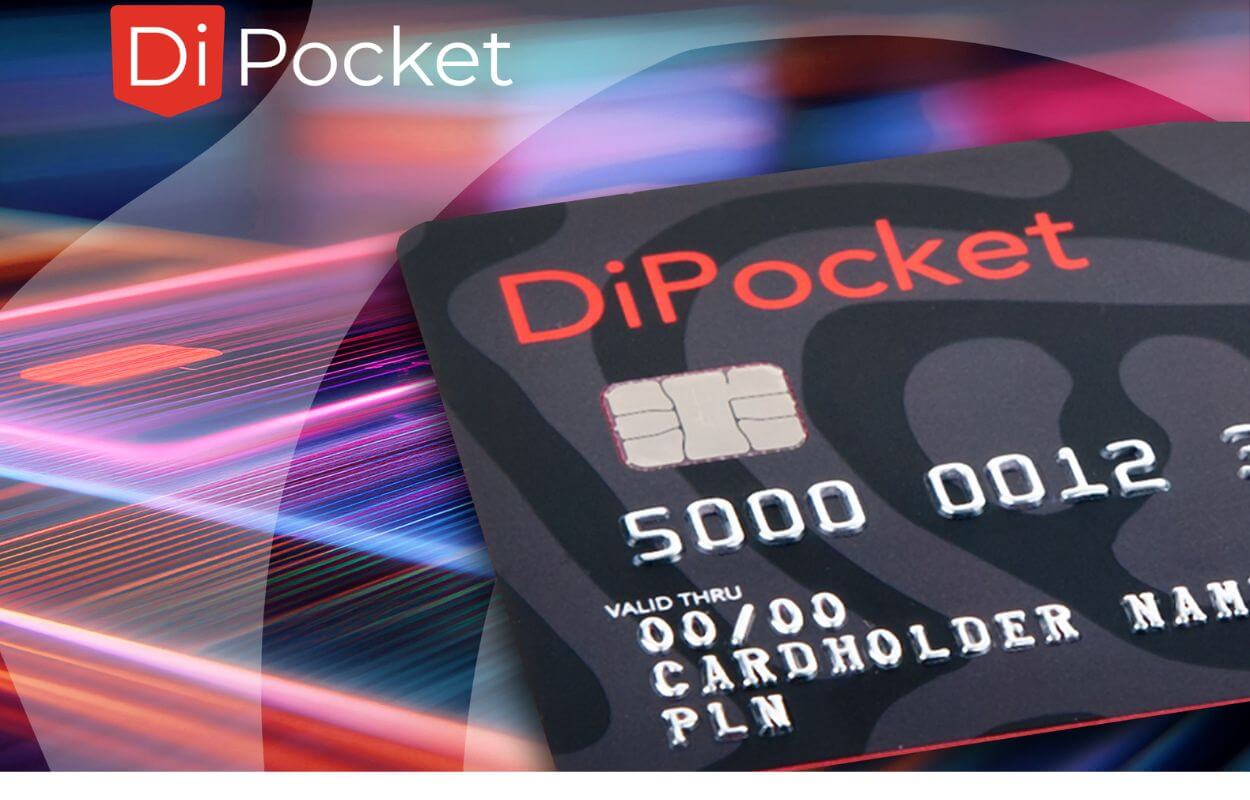
Why businesses launch branded payment card programmes
A payment card programme can support a wide range of commercial objectives. A lender may want a more structured way to disburse funds; an employee benefits provider may want a clearer and more usable way to deliver value to staff; or a travel business may need virtual cards that fit a specific booking or payment process. Payment card programmes can be built to suit a wide range of use cases, each tailored to the discrete needs of the organisation.
For some organisations, the ability to use white-label or branded payment cards adds further value. By issuing physical or virtual payment cards that carry their own branding, organisations can deliver funds instantly while staying in control of the user experience. White-label card-based disbursement combines speed, security and transparency with the added benefit of brand visibility.
A well-designed payment card programme can also improve internal visibility and data insight, support clearer financial controls, strengthen timely reporting and create a more consistent operating model. Where payments are already an important part of the wider proposition, a card programme can become a practical commercial tool.
What is involved in launching a payment card programme?
An effective and compliant payment card programme requires a substantial supporting framework. Payment card issuing partners provide organisations with a quick and simple solution for the secure payment of funds, backed by the infrastructure that allows the programme to operate effectively. This will include:
Licensing and regulatory approval
To issue a payment card, companies need an issuing license from each service provider (for example, Principal Membership of Visa and Mastercard). Principal licences incur significant annual fees together with responsibility for a long list of complex requirements – all of which are unsustainable for most individual organisations. Card issuers assume these responsibilities and pay all licensing and regulatory fees as part of their Payments as a Service offer.
Compliance with complex financial regulations
Card issuing companies may not be banks but are nevertheless subject to a complex range of regulations governing the payments and loans market.
A card issuer will keep on top of the requirements of the financial regulatory environment to ensure that the organisation’s payment cards operate legally.
Data security compliance
PCI DSS (Payment Card Industry Data Security Standard) compliance is a mandatory, 12-requirement set of security standards designed to ensure all companies that store, process or transmit credit card data maintain a secure environment. Non-compliance can lead to hefty fines and penalties alongside the increased risk of fraud, so using an experienced card issuer provides valuable assurance that PCI DSS is respected.
Production of virtual and physical cards
The design and manufacture of payment cards supported by Visa and Mastercard are strictly regulated. An authorised card issuer can offer a turnkey solution which not only covers the financial and legal complexities of a payment card programme, but takes care of the practical details too: designing a bespoke card which will reinforce brand recognition for the organisation.
Carrying out of personal checks
Rules and regulations also restrict the distribution of funds to certain individuals. Trusted card issuers carry out the checks that protect organisations, including:
- Identifying Ultimate Beneficial Owners (UBOs)
- Checking against lists for any politically exposed person(PEP)
- Checking against sanctions databases
- Anti-Money Laundering (AML) checks
- Adherence to Counter-Terrorism Financing (CTF) regulations
Card issuing companies take the responsibility of performing eKYC (electronic Know Your Customer) checks and eKYB (electronic Know Your Business) processes, helping to reduce risk and ensure compliance.
Active fraud protection
With the exponential growth of financial fraud, individual organisations acting as payment card issuing providers could not hope to match the power of a card issuing partner with a dedicated anti-fraud team.
Reputable card issuing providers help to maintain security, with features such as:
- Live monitoring of card usage
- Rapid response to suspect transactions
- Full investigations where appropriate.
Control over funds distribution
A card issuing partner can set up the card system to ensure that it will meet the organisation’s objectives. This can include:
- Pre-paid cards
- Requirement for top-up permission
- Control of spend through bespoke usage restrictions
- Visibility of what individuals are buying and where.
Investment and processing capability
Setting up as a payment card issuer requires significant investment and processing capability, in addition to the operational support needed to run the programme day to day.
By setting up a card programme with a card issuing partner, organisations can benefit from a service tailored to their needs and fully supported by experts.
Why organisations work with a card issuing partner
Turnkey card issuing
For most businesses, the main advantage of working with an issuing partner is that they do not need to assemble the full card issuing framework themselves. Working with an issuing partner allows the business to build on a payments infrastructure that already exists, reducing the pressure on internal teams.
In many cases, that means using a Payments as a Service model that gives the business access to the issuing, processing and operational framework needed to launch a card programme without building each layer internally.

Reduced regulatory and operational burden
A payment card programme creates ongoing responsibilities once it is live. The business needs a structure that can support compliance, controls, reporting, operational management and the practical realities of running the programme whilst cards are in use.
Working with an issuing partner helps reduce that burden. The client can stay focused on its users and commercial goals, while the partner supports the framework needed to launch and operate the programme effectively.
Faster route to launch
This model can also shorten the route to market. Where the issuing framework, scheme setup and operational foundations are already in place, businesses do not have to build those layers from scratch before they can move forward.
Partner-led card programmes are often the more practical route for businesses which want to move at pace without taking on unnecessary complexity. Card issuers can offer a fully managed solution, or provide APIs for full integration with existing platforms, providing quick and seamless payments and insights.
What to look for in a payment card issuing partner
Issuing capability and scheme access
The right issuing partner will provide a full service line supporting the organisation’s practical requirements. This will include the use case, markets involved, card type, controls required and the way the programme needs to operate after launch.
The partner should therefore have the card issuing capability, scheme access and operational setup needed to fully support an appropriate programme.
Advisory-led delivery
In many cases, organisations will need support in shaping the programme, understanding the delivery model and making sound decisions early in the process, as well as access to the right technology.
An advisory-led partner can add real value by helping the business define the programme more clearly, align the structure to the use case, and launch effectively.
Long-term fit
The right partner should also be able to support the payment card programme as it develops. A card programme may expand into new markets, require new controls or evolve in response to wider business changes.
A partner offering flexibility and a scalable operating model is more likely to be able to continue support for the programme into the future.
Why DiPocket is a strong partner for payment card programme launch
DiPocket gives businesses a practical route to launching a payment card programme. Its turnkey card issuing approach is designed to support organisations that want to bring card programmes to market without internal complexity.
DiPocket is backed by the infrastructure and market position needed to support extensive payment card programme delivery, operating across multiple European markets and currencies. It combines principal membership of payment platforms Visa and Mastercard with tokenised and non-tokenised card issuing; plus Visa Direct and Mastercard Send solutions with multi-rail setup. Clients benefit from access to a broad issuing and payments framework.
DiPocket also reduces the burden on clients by handling the regulatory, compliance and operational requirements that sit behind programme launch. It operates a Tier one ecosystem providing the highest levels of resilience and security.
The delivery model is advisory-led: DiPocket provides not only the card issuing infrastructure, but helps clients shape the payment programme, choose the right structure and move through launch with the right support. All this makes DiPocket a strong fit for businesses looking for a credible and efficient route into payment card issuing.
Why DiPocket is a strong partner for payment card programme launch
Launching a card programme does not have to mean building the full issuing setup internally. Many businesses prefer to work with an issuing partner whose capabilities match the practical needs of the programme, including the issuing structure, operational setup, regulatory support and ability to guide the business through launch and beyond.
If your organisation is exploring branded payment card issuing as part of a wider proposition, contact us to find out if DiPocket is the right issuing partner for you.
Frequently asked questions
1. What is a payment card programme?
A payment card programme is a complete product‑design and operating framework that defines card type and program rules, allowing a business to offer payment cards for a specific use case. The cards may be physical, virtual or both.
2. Why do businesses launch card programmes?
Businesses launch card programmes when they want payments to become a more effective part of their offer. That may mean improving control, supporting a better user experience or creating a more structured way to deliver funds and manage spending.
3. What does a card issuing partner do?
A card issuer provides the framework that supports card programme launch and operation. That can include the issuing setup, regulatory and compliance support, operational delivery and the infrastructure needed to bring the programme to market.
4. Do businesses need to build card issuing infrastructure themselves?
No. Many businesses launch card programmes by working with an issuing partner rather than building the full setup internally. This can reduce complexity and provide a more practical route to launch.
5. How long does it take to launch a card programme?
The timeline depends on the programme model, the markets involved, the level of integration required and the complexity of the use case.
6. What are the benefits of a branded card programme?
A branded card programme can improve control, support a better user experience, and make payments feel more closely connected to the wider offer. It can also strengthen visibility and create a more joined-up service.
RELATED ARTICLES
Products & Services
Payment cards

August 28, 2024
Branded payment cards improve customer loyalty
Branded payment cards can be a great asset for your business. Your main aim may be to streamline financial solutions, but branded payment cards can also offer an innovative way to retain customers and improve brand loyalty.
Products & Services
Loan disbursement

January 29, 2026
How white-label cards are transforming modern funds disbursement
Discover how white-label cards help organisations deliver funds faster, stay compliant and strengthen their brand across the EEA.
Products & Services
Payment cards

May 15, 2024
Payment card issuing
Setting up and managing an in-house payment card issuing systems is both expensive and time-consuming. DiPocket takes away this pain, providing a customisable card-issuing and payment solution that is simple and cost-effective for your organisation.